Bizwise

I led the end-to-end design process:
Systems Thinking
Designed an architecture that connected customer data with website forms, emails, calendars, and invoices
Prototyping & Testing
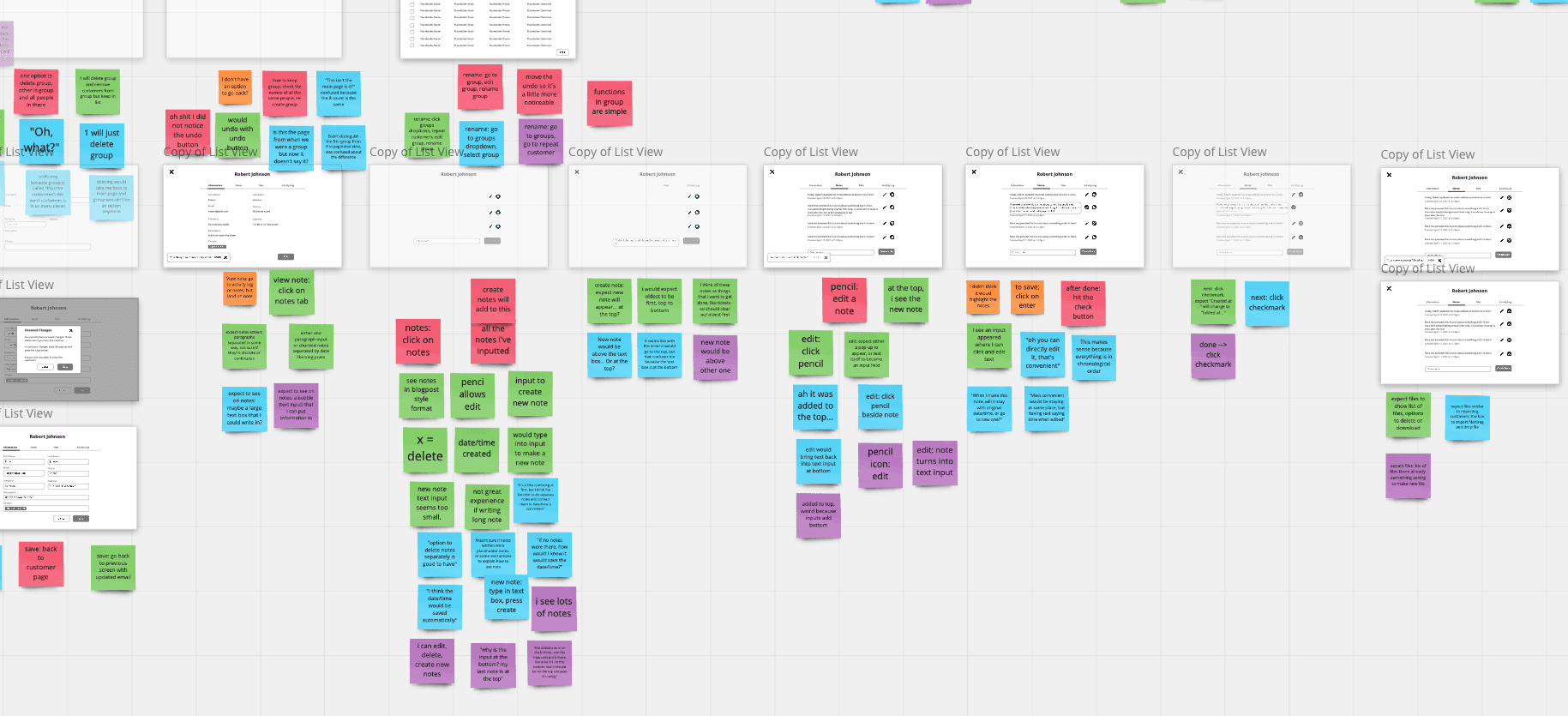
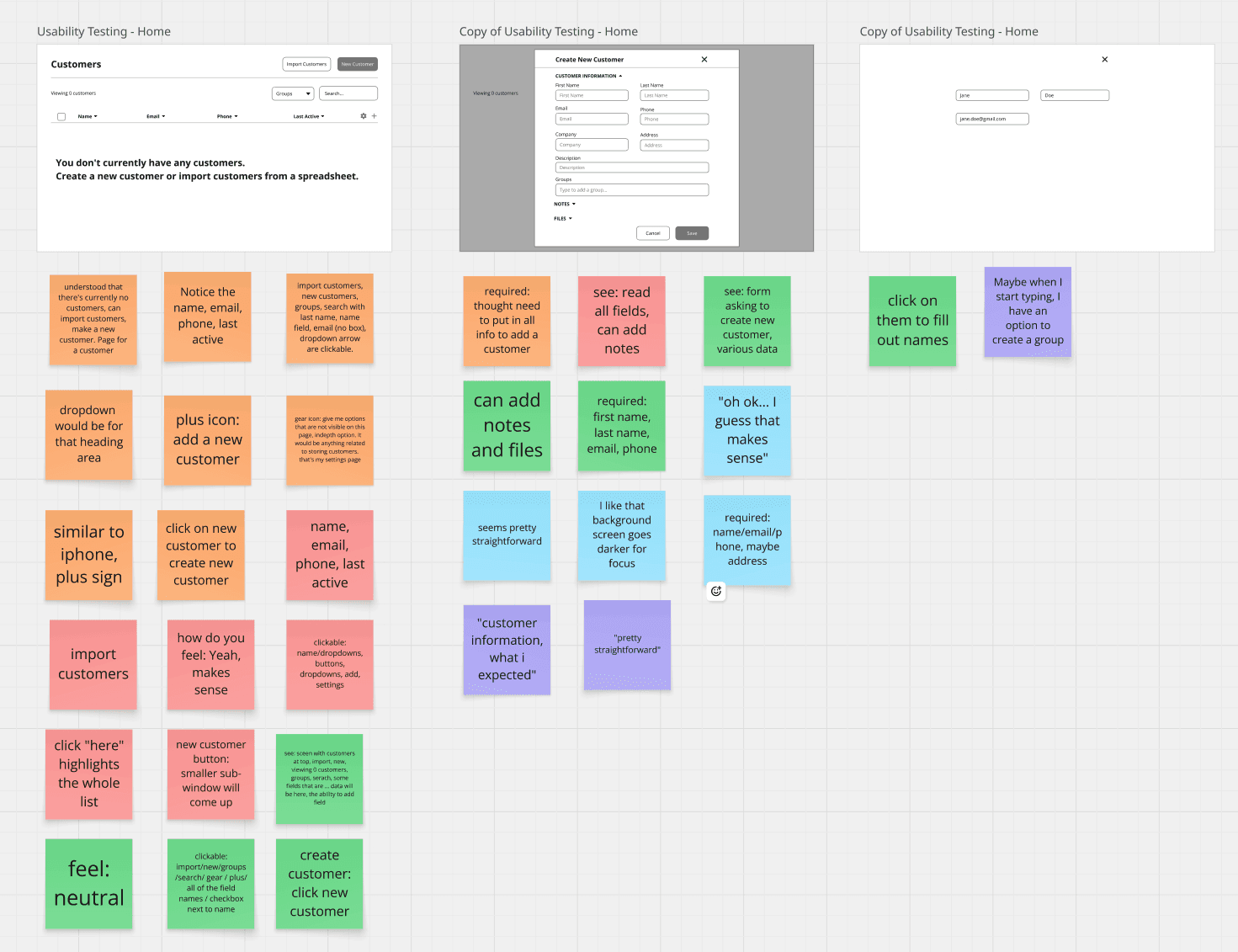
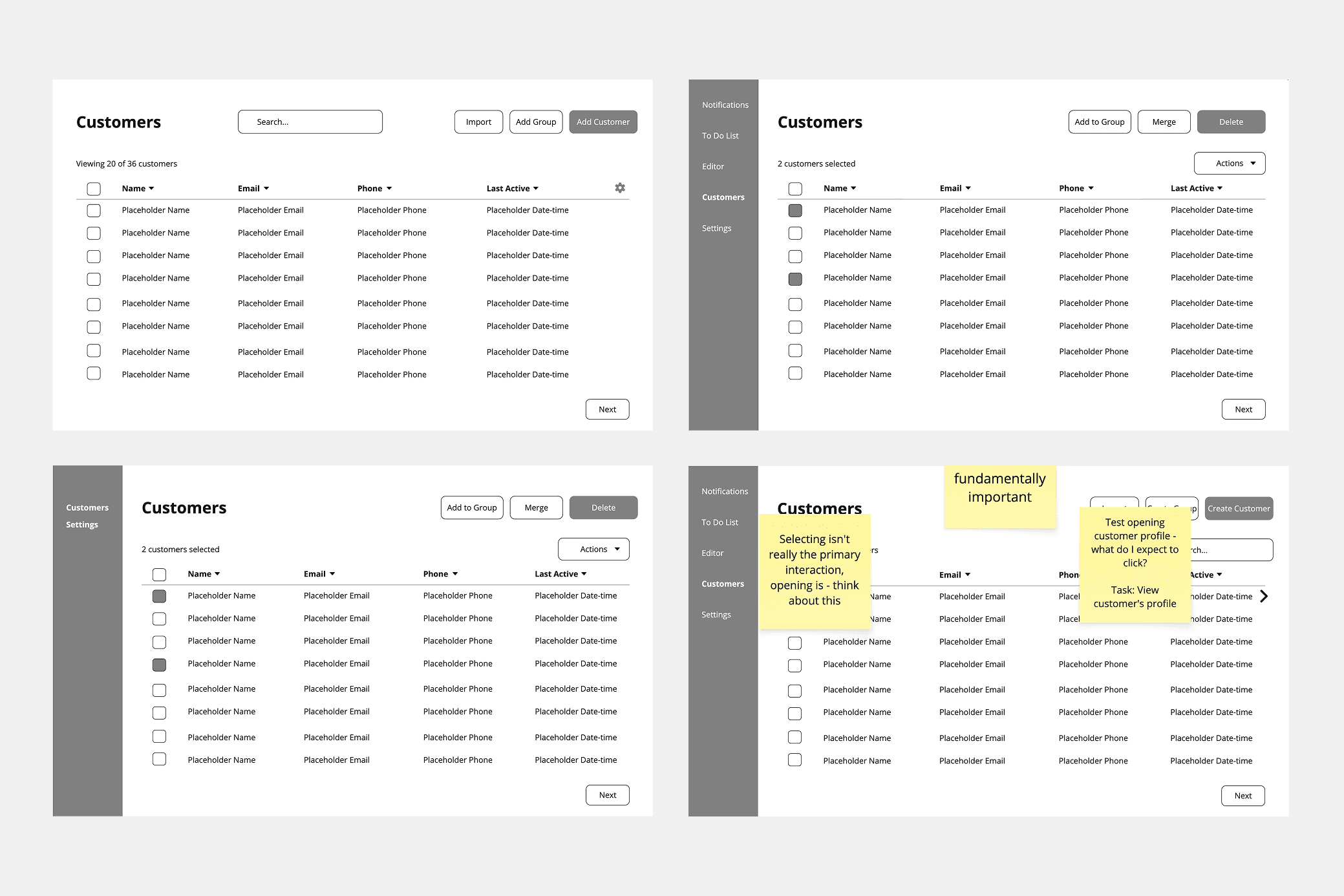
Conducted two rounds of usability testing using low-fidelity prototypes to validate navigation, grouping logic, and discoverability.
User Flows & Information Architecture
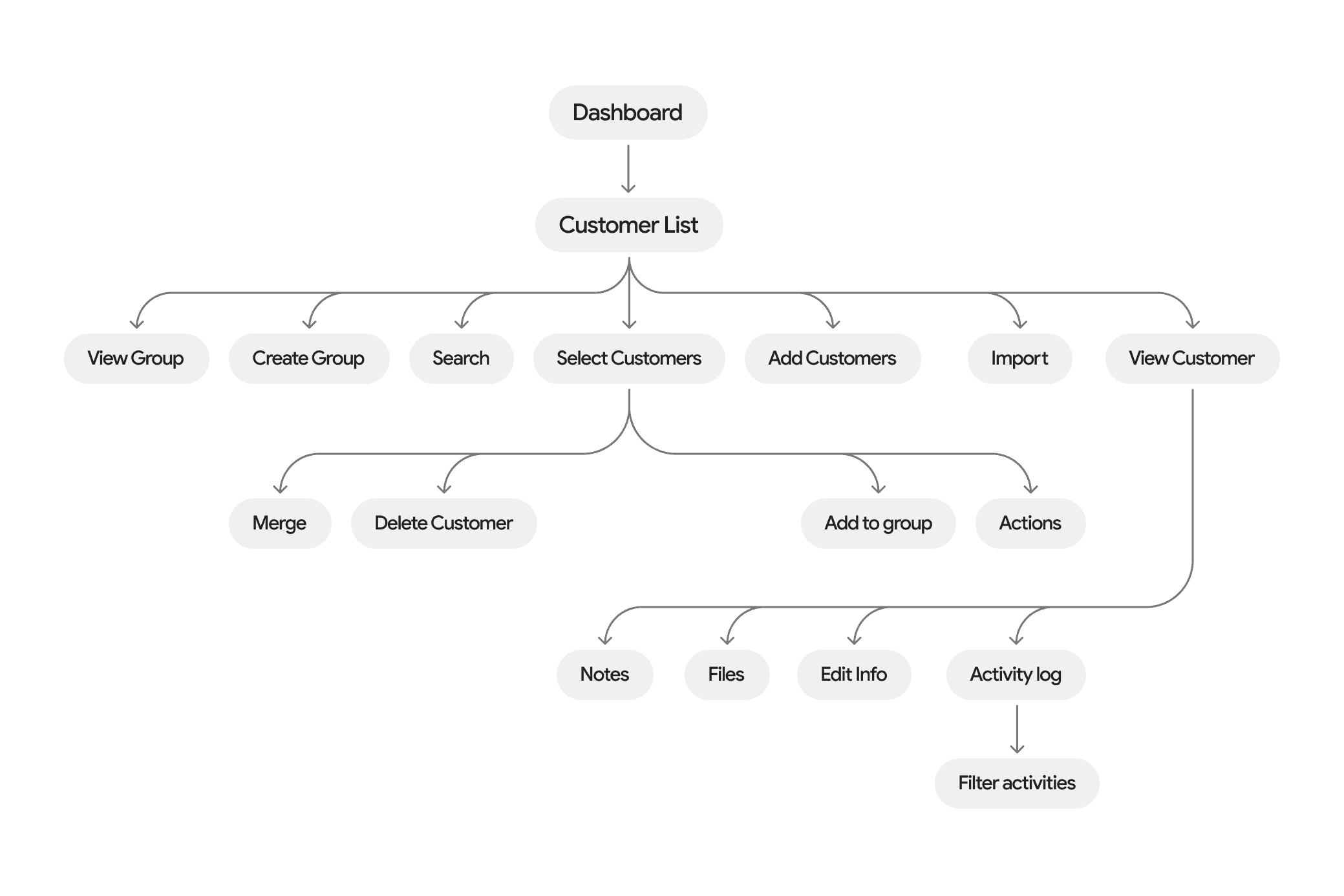
Mapped key workflows including:
Customer creation and editing
Activity tracking
Grouping & tagging
Importing contacts & merging duplicates
Automatic customer creation from inbound interactions
Activity timeline showing emails, appointments, and notes
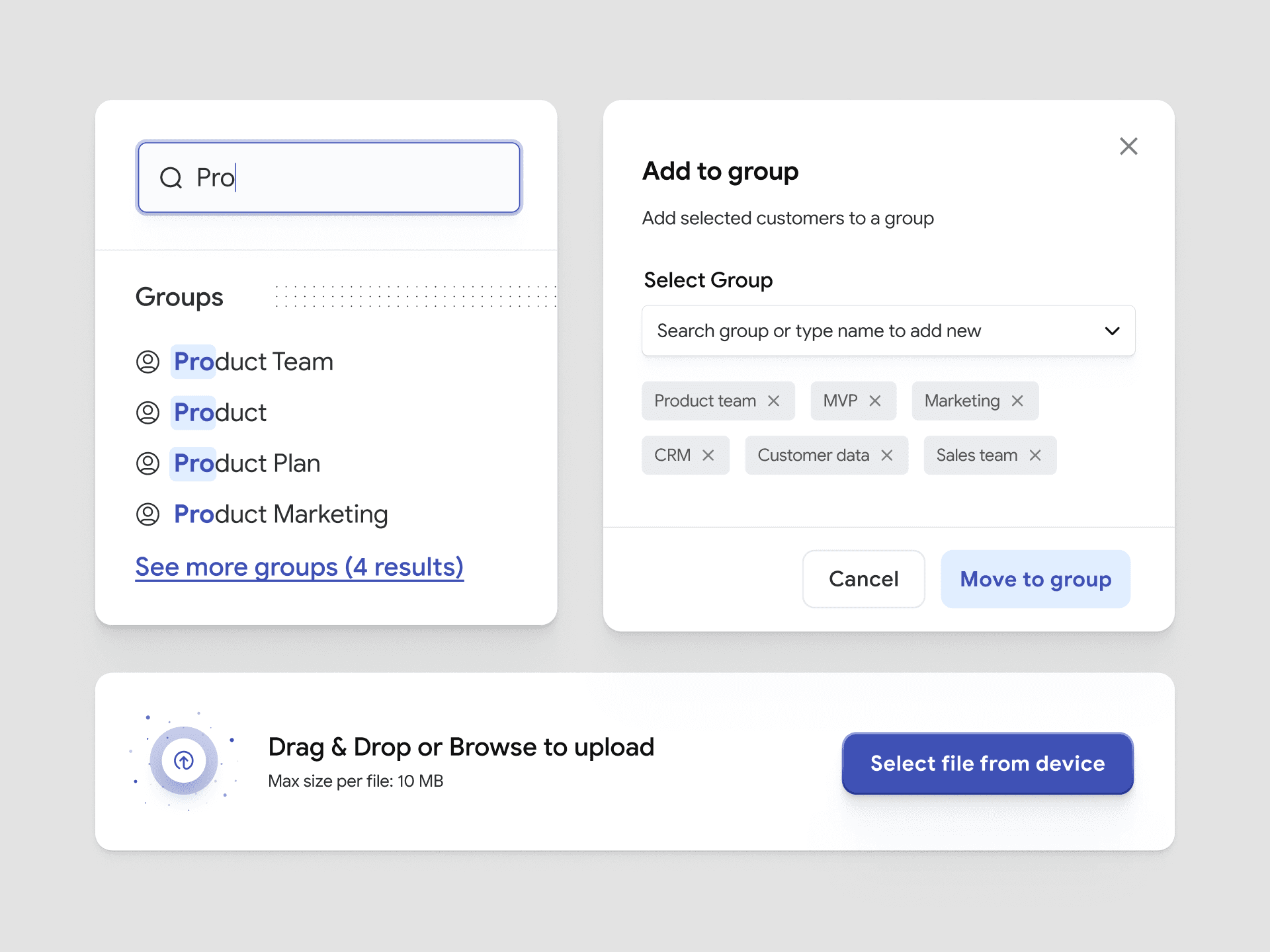
Smart grouping and tagging for targeted outreach
File attachments for documents like invoices or appraisals
Reminders and relationship tracking (e.g., birthdays or anniversaries)
These features helped SMBs move from static lists to relationship-driven customer management.
Usability Testing, I tested the prototype with small business owners to validate:
customer creation flow
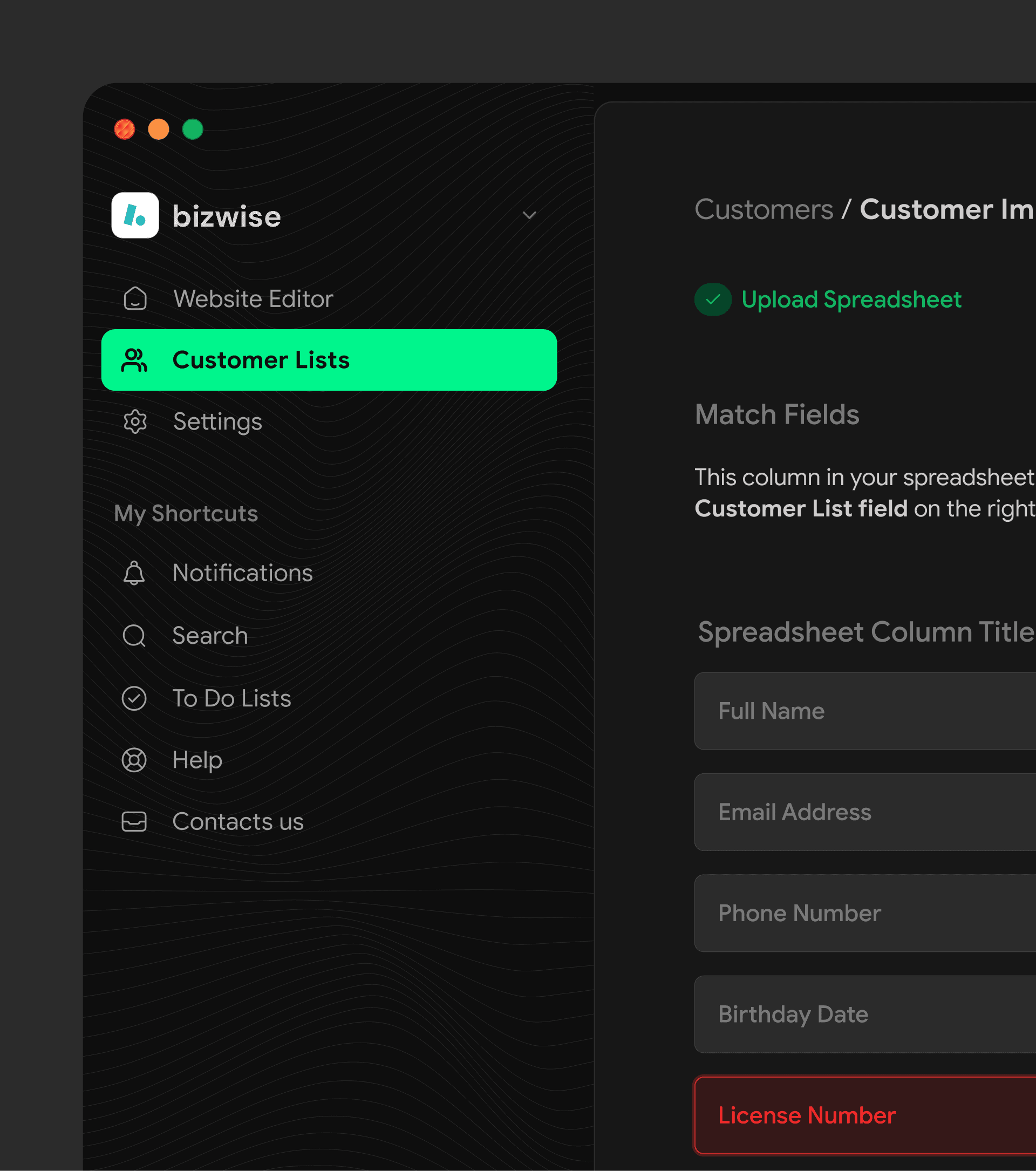
importing spreadsheets
navigating customer profiles
The biggest learning:
Users expected importing customers from spreadsheets to be extremely simple,
so the final design prioritized a guided import process.
This project reinforced that simplicity is often more valuable than feature depth.
While traditional CRMs optimize for sales teams, small businesses primarily need tools to remember and nurture customer relationships.
Designing around that insight led to a more focused product.
This project honed my skills in iterative, user-centered design, revealing SMB-specific needs for seamless integrations and simplicity. Challenges like feature overload taught the importance of balance in complex ecosystems. In 2026's AI-driven landscape, I'd enhance it with auto-tagging and predictive analytics.
Key Takeaways:
Improved customer data centralization: Unified fragmented sources (e.g., spreadsheets, emails) into a cloud-based system for easy access and management.
Automated profile and activity tracking: Auto-created profiles from interactions (e.g., forms, emails) with logs for insights like visit frequency, cutting manual work.
Enhanced outreach and retention: Added grouping, reminders, and restricted exports for targeted engagement and lower churn via integrations.